Historic Decision to Pause Data Center Boom
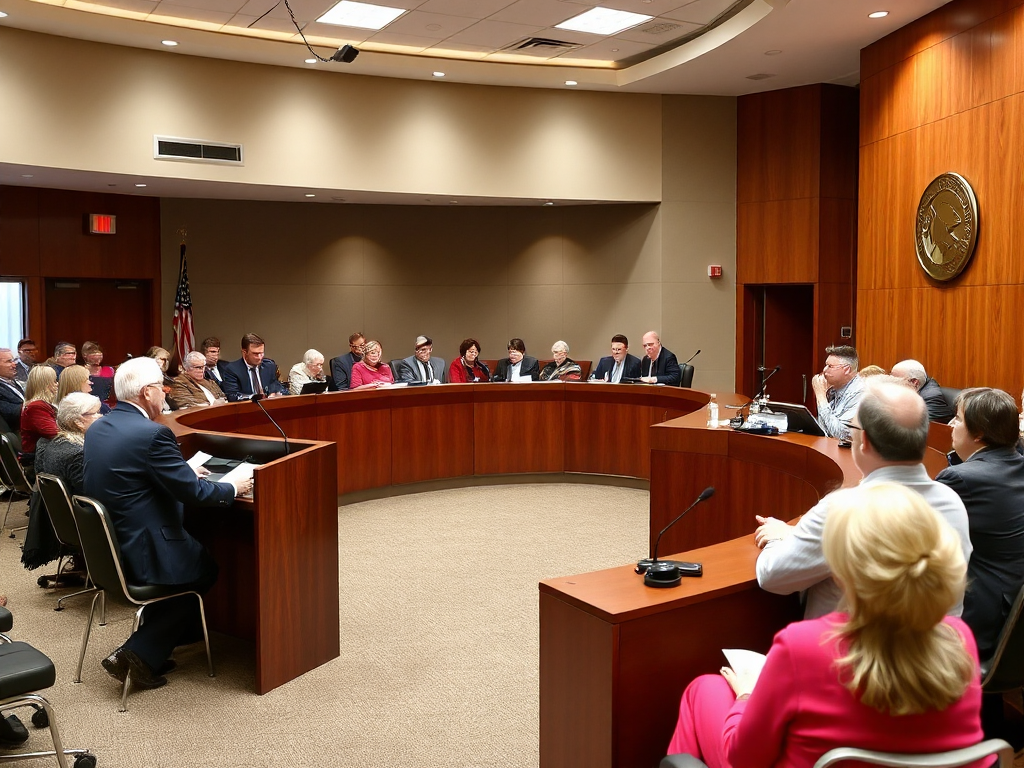
PORTAGE, MI – In a unanimous vote Tuesday night, the Portage City Council imposed a one-year moratorium on data centers and electrical battery storage facilities, citing growing concerns over environmental impact, physical safety risks, and strain on local utility infrastructure.
The decision came during a public hearing where residents voiced their frustrations about high utility bills and potential hazards posed by these high-tech facilities.
"Citizens said existing data and storage plants have driven up local utility bills in communities where they are already located and pose a physical and environmental threat," reported John McNeill of WKZO AM/FM.
The council voted to impose the moratorium until the end of 2026, or until they can put city zoning and ordinance amendments in place to regulate the operations.
Growing Resident Opposition
The public hearing drew significant community involvement, with residents sharing their personal experiences and concerns about data center impacts.
Cheryl Lathrop, a local homeowner, spoke out about her escalating utility costs:
"My Consumers Energy bills are already high enough," Lathrop stated during the hearing.
Jason Mikkelborg and Katelyn Clarey added another layer of concern about emergency response capabilities:
"The high-tech plants can create brand new kinds of cataclysms that most local public safety departments are not equipped to handle," they reported.
These residents echoed a broader sentiment across Portage and surrounding communities that have begun grappling with the rapid expansion of data center infrastructure in recent years.
State Promotion Versus Local Resistance
The moratorium decision highlights the tension between state-level encouragement of data center development and local communities' desire for control over what gets built in their neighborhoods.
The State of Michigan is actively promoting data centers with tax incentives and rules that limit local authorities' ability to stop such facilities from being approved. This regulatory framework has made it increasingly difficult for municipalities to exercise traditional zoning authority.
Despite these state-level pressures, Portage officials moved forward with their moratorium proposal, showing determination to protect their community interests.
Council Members' Response
Mayor Pro Tem Jim Pearson addressed the council during the meeting, expressing support for the unanimous decision.
The vote represented a clear majority consensus among council members, who recognized the need to pause and assess the situation before making permanent policy changes.
The moratorium provides Portage time to:
- Evaluate existing data center operations
- Study potential impacts on local infrastructure
- Develop comprehensive zoning regulations
- Consult with utility providers and emergency services
What's Next
The one-year moratorium is not a permanent ban, but rather a temporary pause that allows Portage to gather data and develop more informed policy.
Council members indicated they will work on creating city zoning and ordinance amendments that can properly regulate data center and battery storage facility operations once the moratorium period ends.
The council's approach reflects a balancing act between:
- Protecting local residents from environmental and safety concerns
- Maintaining flexibility for future economic development
- Developing evidence-based regulations rather than reactive measures
Broader Context
Portage is not the only Michigan community wrestling with data center issues. Similar debates are unfolding across the state as the technology sector pushes for expansion while local communities express concerns about infrastructure strain, environmental impact, and emergency preparedness.
The Portage decision may influence other municipalities as they consider their own approaches to managing this rapidly growing industry.